Accepting New Clients | In-Person & Telehealth
Play Therapy for Children, Growth & Emotional Well-Being
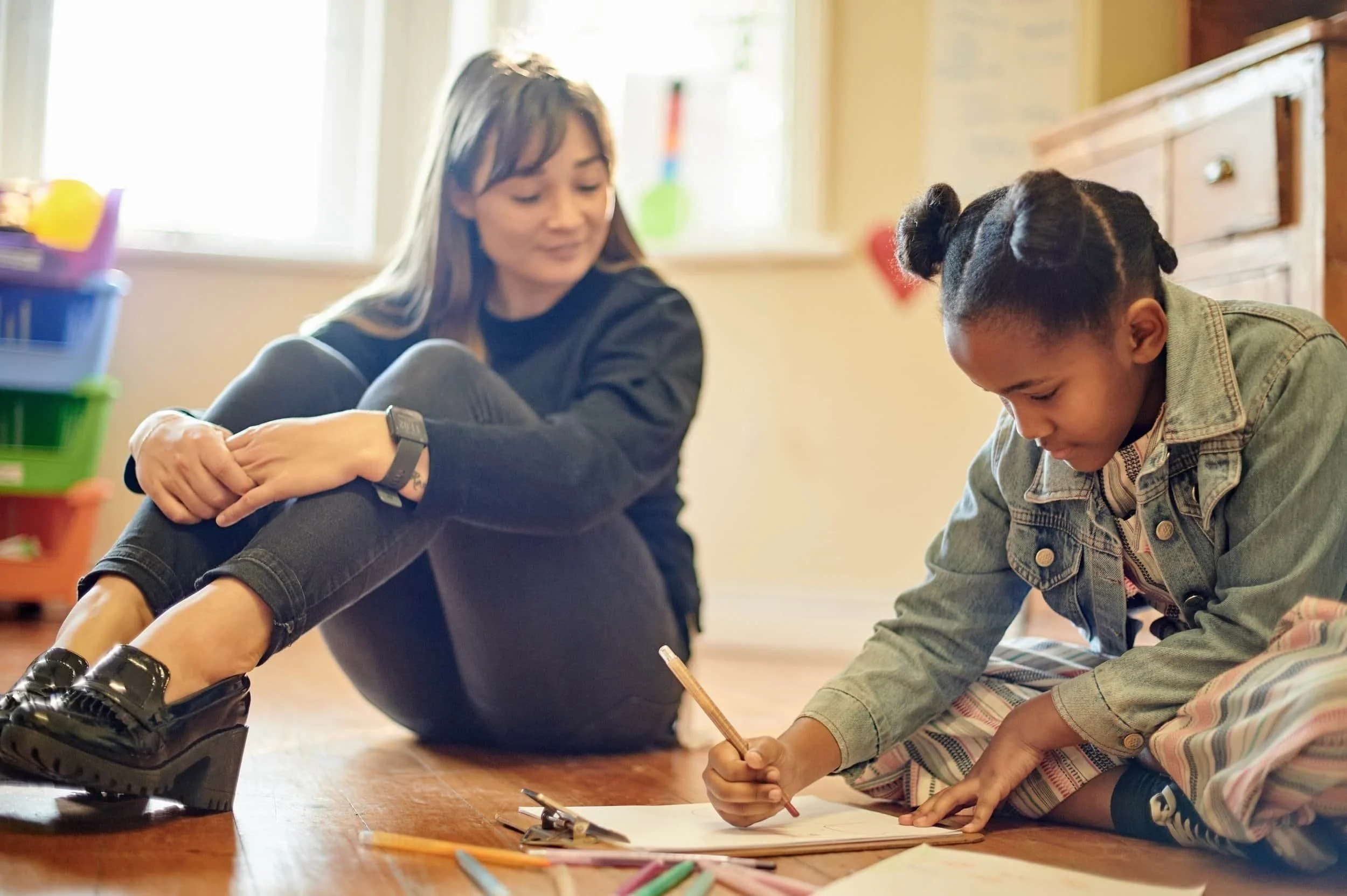
Through the language of play, children can express feelings, process difficult experiences, and build the skills they need to thrive. Whether your child is experiencing anxiety, behavioral challenges, emotional regulation difficulties, social concerns, life transitions, or family changes, we provide developmentally appropriate play therapy in a safe, supportive environment that helps children build confidence, resilience, and healthy coping skills.
-
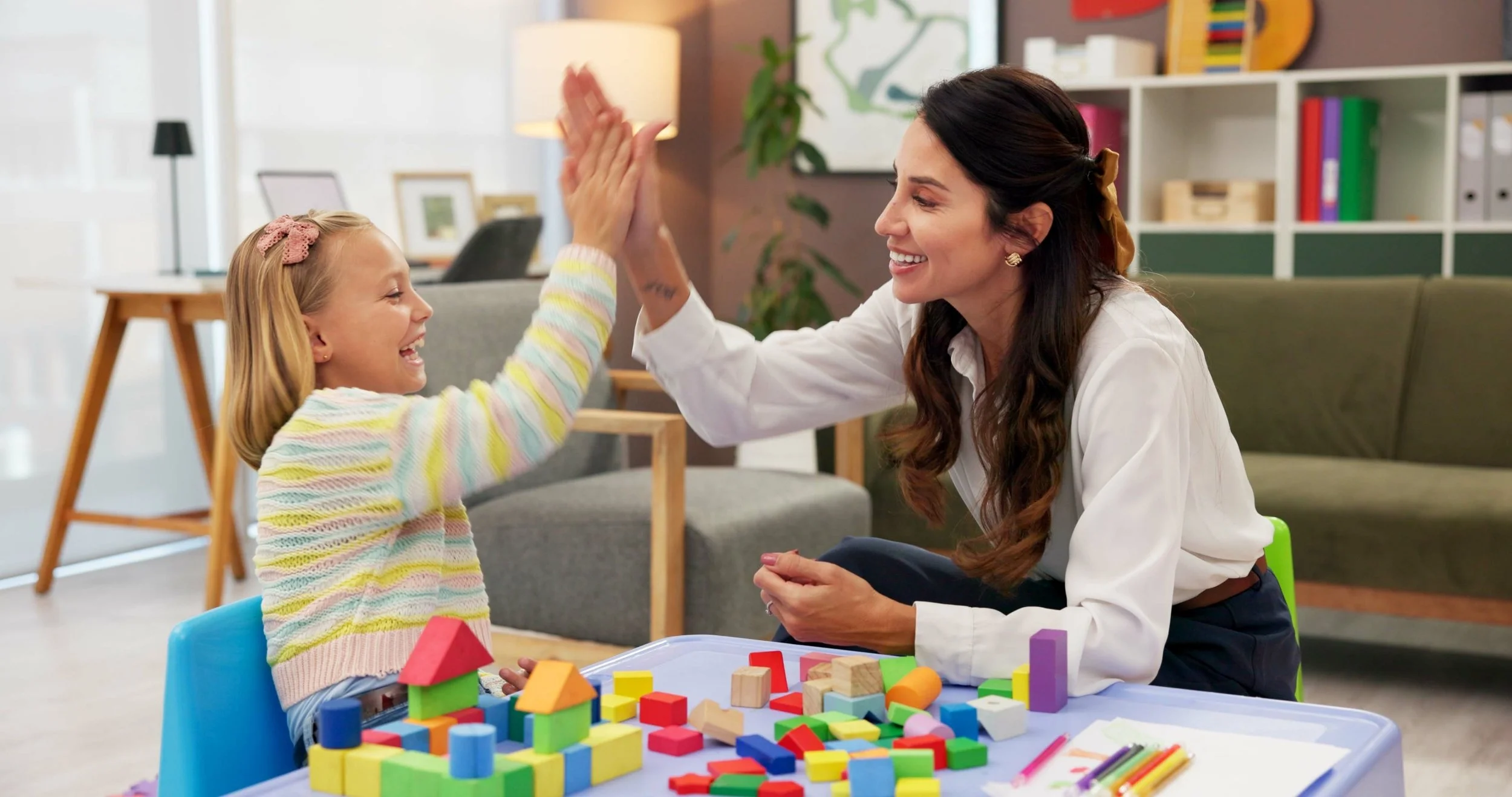
Play therapy helps children build the emotional, social, and coping skills they need to navigate life's challenges with greater confidence and resilience. By engaging in play-based activities that match their developmental stage, children can safely express thoughts and feelings they may not yet have the words to communicate. This process promotes healing, strengthens self-awareness, and helps children make sense of difficult experiences in a way that feels natural and manageable.
Through the guidance of a trained play therapist, children develop healthier ways to regulate emotions, manage anxiety, solve problems, build self-esteem, and improve relationships with family members, peers, and teachers. Play therapy can reduce behavioral challenges, strengthen communication skills, increase confidence, and foster resilience while supporting healthy emotional development. Parents and caregivers also benefit through increased understanding of their child's needs, practical strategies to reinforce progress at home, and stronger, more connected relationships that continue to grow long after therapy ends.
-
Relationship-focused therapy can support anyone seeking healthier, more meaningful connections. It is especially helpful for couples feeling disconnected, individuals navigating communication or boundary challenges, families experiencing conflict or life transitions, and anyone noticing recurring patterns in their relationships. Whether you are working on a partnership, family dynamics, friendships, or your relationship with yourself, this therapy fosters deeper understanding, healing, and connection.
-
Improved Communication - Helps partners express thoughts and feelings openly while deepening understanding of each other.
Conflict Resolution Skills - Teaches practical strategies for addressing disagreements constructively and breaking recurring patterns of conflict.
Stronger Emotional Connection - Nurtures empathy, trust, and intimacy, strengthening the bond between partners.
Personal and Relationship Growth - Encourages self-awareness and mutual support, helping both partners grow individually and together.
Celebration of Strengths - Highlights the positive aspects of the relationship, fostering joy, resilience, and a shared sense of commitment.
-
Our role as your child's play therapist is to create a safe, nurturing, and developmentally appropriate environment where your child feels free to express themselves through play. We carefully observe, support, and engage in the therapeutic process to help children explore emotions, process experiences, develop healthy coping skills, and build confidence in ways that match their age and developmental level. Rather than directing or correcting every interaction, we use evidence-based play therapy techniques to meet children where they are and encourage growth through meaningful play experiences.
We also partner closely with parents and caregivers throughout the therapeutic process. By providing education, guidance, and practical strategies, we help families better understand their child's emotional and behavioral needs while reinforcing new skills outside of therapy. Our goal is to help children strengthen emotional regulation, communication, resilience, and healthy relationships, while equipping families with the tools to support lasting growth and continued success at home, at school, and in everyday life.
-
Successful play therapy is most effective when parents and caregivers are active partners in the therapeutic process. While your child does the important work of expressing, exploring, and healing through play during sessions, your role is to provide encouragement, consistency, and support outside of the therapy room. Progress is strengthened when parents participate in parent consultations, remain open to learning about their child's emotional needs, and practice recommended strategies at home to reinforce new skills and healthy behaviors.
Together, we work as a team to better understand your child's unique strengths and challenges, create supportive routines, and foster emotional growth in everyday life. By maintaining open communication with your child's therapist, modeling healthy coping skills, and responding with patience and empathy, you help build a strong foundation for lasting change. Our shared goal is to support your child's confidence, resilience, emotional well-being, and ability to thrive both at home and in the world around them.
-
Trust the Process - Healing through play happens over time. Progress may be gradual, and meaningful changes often begin beneath the surface before they become visible at home.
Be Consistent - Attend sessions regularly and maintain predictable routines at home. Consistency helps children feel safe and supports lasting growth.
Practice at Home - Use the strategies, parenting tools, and communication techniques discussed in parent consultations to reinforce your child's progress between sessions.
Follow Your Child's Lead - Allow your child opportunities for creative, child-led play at home without trying to direct, fix, or interpret every interaction. Play is an important way children process emotions and experiences.
Stay Patient and Encouraging - Celebrate small victories and remember that every child develops at their own pace. Your patience, empathy, and encouragement create a strong foundation for confidence, resilience, and lasting emotional well-being.
-
Parent consultations are an essential part of the play therapy process and play a significant role in supporting your child's progress. At Coffee Talk Therapy, we typically follow a three-to-one model, where your child participates in three individual play therapy sessions followed by one parent consultation. These parent sessions provide an opportunity to discuss your child's progress, identify themes emerging in therapy, answer questions, and provide practical strategies you can use at home. To preserve your child's trust and therapeutic relationship, specific details of play sessions are not typically shared unless they involve safety concerns or your child has given permission. Instead, we focus on helping you better understand your child's emotional needs, strengthen your relationship, and create a consistent, supportive environment that reinforces the skills your child is developing in therapy. Working together as a team allows us to maximize your child's growth and promote lasting positive change both in and outside the therapy room.
At Coffee Talk Therapy, we believe every child has unique gifts, natural strengths, and unlimited potential. Our goal is not to change who they are, but to help them grow into who they are meant to become. Through play therapy, we nurture each child's creativity, individuality, and confidence while teaching the emotional, social, and problem-solving skills they need to succeed.
By providing a safe, accepting space, we help children feel seen, understood, and empowered to face challenges, build resilience, and pursue their dreams.